We walk the exterior with you and show you every gap we’d seal — you see exactly what you’re paying for. Then you decide. No padding the list to run up a ticket. Ever.
What Bee-Proofing Actually Is
Seal the Gaps, Break the Cycle
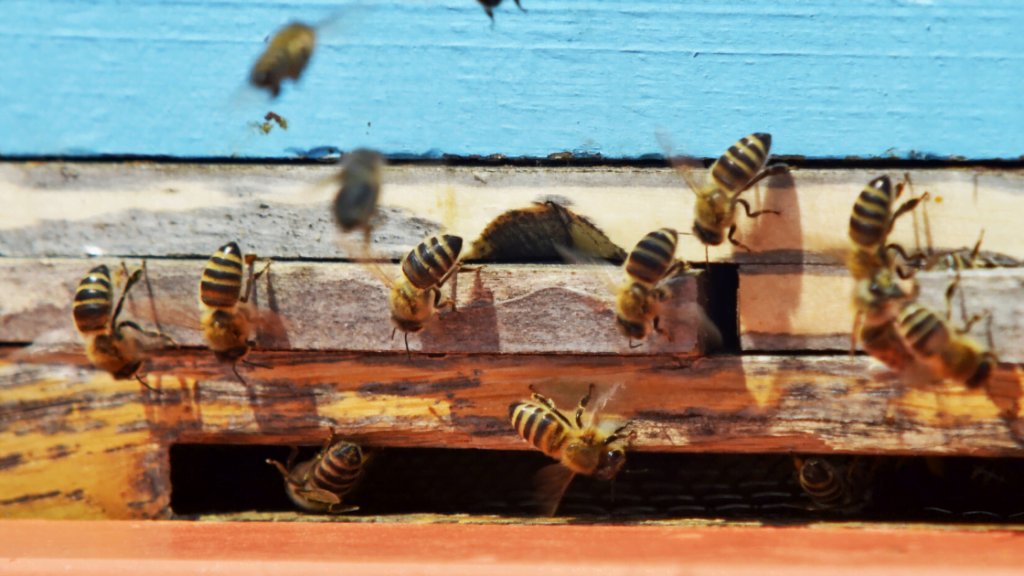
Bee-proofing means going around your home and sealing the gaps bees and wasps use to get inside — with the right materials for each spot, so water still drains but insects can’t enter. It’s the thing that turns a one-time hive removal into a permanent fix.
One of our customers had us seal more than a dozen entry points around an older Dallas-area home in a single visit. That’s the kind of thorough we mean — and it’s not unusual on brick homes with decades of settling behind them.
Common Entry Points We Seal
🧱 Weep Holes
The most common entry point on Dallas brick homes. We use weep-hole guards that allow drainage but block bees.
🏠 Soffits & Fascia
Gaps where soffits meet the roofline or pull away from fascia boards — prime real estate for a swarm looking for a home.
🔲 Vents & Screens
Torn or missing screens on attic vents, crawl space vents, and dryer exhausts are wide-open invitations.
🔧 Plumbing & Cable Penetrations
The gaps around where pipes, conduit, and cable run through exterior walls. Small but enough for a bee.
🏛️ Chimney Gaps
Gaps around chimney flashing and caps — a favorite spot for European hornets and bees in older homes.
🔍 Everything Else
We walk the whole exterior. We’ll show you every gap worth sealing and tell you honestly which ones actually matter.
How We Do It — Plainly
- Walk the exterior together: We show you every gap we’d seal. You see exactly what you’re paying for before we start a thing. No mystery, no upsell pressure.
- Upfront price, your decision: You get the full scope and the number. Then you decide what makes sense for your home and your budget — no pressure either way.
- Right material for each spot: Weep-hole guards, sealant, mesh — we match the solution to the gap. Water still drains; bees can’t get in.
- Honest about what doesn’t need it: We’ll tell you which gaps matter and which don’t. We’re not going to pad the list to run up a ticket. That’s just not how we operate.
Why Bee-Proofing Makes Financial Sense
Bees can build comb inside a wall in about a week in a Texas summer. Once honey and wax are left behind they melt in the heat, stain your drywall and insulation, and draw other pests like ants, rodents, and carpet beetles. A few hours of bee-proofing is significantly cheaper than a hive-out, a structural repair, and the follow-up treatments that come after.
💡 The simple math
Bee-proofing now vs. a full hive-out and repair later. The hive-out costs more, takes longer, and the honey damage can require drywall and insulation work beyond the removal itself. Call us — we’ll give you both numbers so you can compare.
Bee-proofing also works as a standalone service — if you’ve never had bees inside but your home has gaps, we can seal them before scouts ever find them. We’ll inspect first to confirm there’s no active colony before we seal anything.
What is bee-proofing?
Bee-proofing (or bee exclusion) means sealing the gaps and openings bees and wasps use to get inside your home — weep holes in brick, soffit gaps, torn screen vents, plumbing penetrations, flashing gaps — with the right materials so water still drains but bees can’t enter.
Do I need bee-proofing after a hive removal?
If you’ve had bees in a wall or structure before, the same entry point will likely attract scouts again — especially if any trace of beeswax scent remains. Bee-proofing after a removal is the best way to break the cycle and avoid having to do it all over again
How many entry points do you typically seal?
It varies widely by home. On older brick homes in the Dallas area, it’s common to find 8–15 gaps worth sealing. One of our customers had 13 sealed in a single visit. We show you every one before we start — you see exactly what you’re paying for.
Will it affect water drainage in my brick weep holes?
No. We use weep-hole guards designed specifically to allow water drainage while blocking bee-sized openings. We won’t compromise your home’s moisture management — that would cause a bigger problem than bees.
Can you bee-proof without doing a removal first?
Yes — if there are no active bees in the structure, bee-proofing is a standalone service. We’ll inspect first to make sure there’s no active colony before we seal anything. Sealing over an active hive creates a bigger problem, and we’d never do that.