Published by Little Giant Beekeepers | Dallas-Fort Worth’s Trusted Bee Removal Specialists
We love bees. In fact, we’ve dedicated over 45 years to protecting them — and protecting you from them. But even our team knows that bees aren’t for everyone. While bee venom therapy has documented benefits for some people, a bee sting can be a life-threatening emergency for others.
If you or someone nearby has just been stung, keep reading. This could save a life.
The Difference Between a Normal Reaction and a Dangerous One
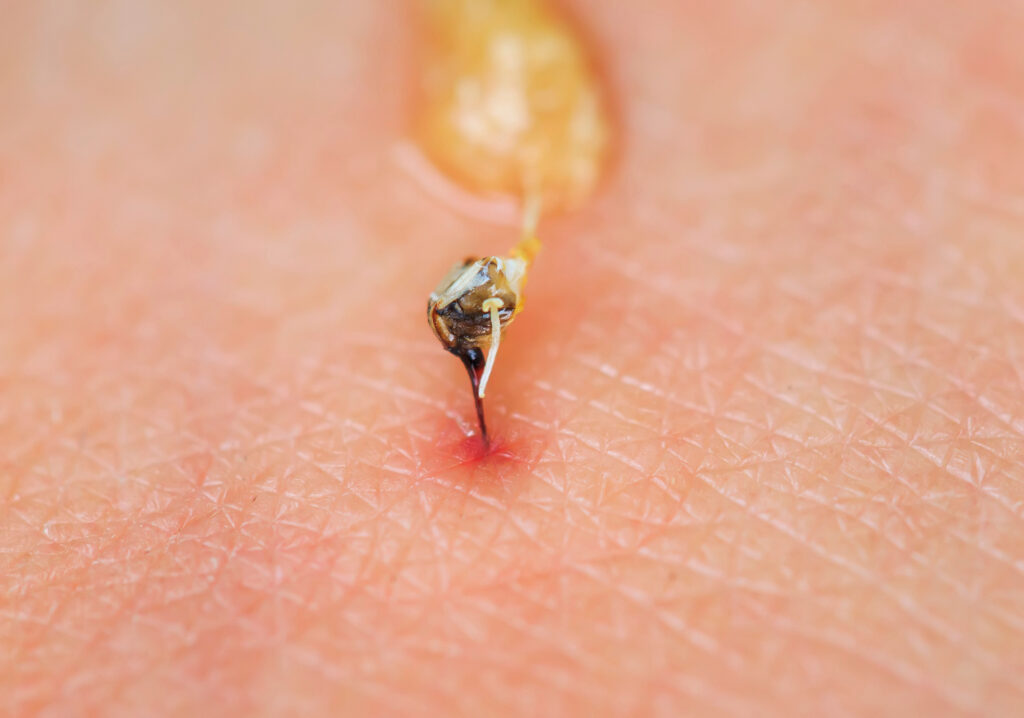
Most people who get stung experience localized pain, redness, and swelling right at the sting site. That’s normal, and while uncomfortable, it’s not typically dangerous.
An allergic reaction — called anaphylaxis — is a different story entirely. It can come on fast, escalate in minutes, and without prompt medical attention, it can be fatal.
Here’s the critical thing to understand: you may not know you’re allergic until you’re stung. Many people who experience severe allergic reactions have been stung before with no major issue. Allergies can develop over time, and each subsequent sting can trigger a stronger response.
Warning Signs of a Serious Allergic Reaction
Call 911 or get to an emergency room immediately if you notice any of the following after a bee sting:
Skin Reactions Beyond the Sting Site
- Hives — raised, itchy welts that appear on areas of the body away from where you were stung. This is one of the most important early warning signs. Do not ignore hives. They are your body telling you something is seriously wrong.
- Widespread redness or flushing across the skin
- Pale or bluish skin tone
Breathing & Throat Symptoms
- Difficulty breathing, wheezing, or shortness of breath
- Tightness in the chest
- Swelling of the throat, tongue, or lips
- Hoarse voice or difficulty swallowing
Cardiovascular & Neurological Symptoms
- Rapid or weak pulse
- Sudden drop in blood pressure
- Dizziness, lightheadedness, or fainting
- Feeling of impending doom (this is a recognized medical symptom — take it seriously)
Gastrointestinal Symptoms
- Nausea, vomiting, or diarrhea
- Abdominal cramping
Go to the Emergency Room — Not Urgent Care
This is important, and we want to be direct with you: if you are experiencing any of the above symptoms, go to a hospital emergency room or call 911. Do not go to an urgent care clinic.
Urgent care facilities are not equipped to handle severe anaphylaxis. Emergency rooms have epinephrine (EpiPens), IV medications, resuscitation equipment, and the specialized staff to manage a reaction that can turn life-threatening within minutes.
Do not drive yourself. If you are having a reaction, your condition can deteriorate rapidly. Call 911, or have someone else drive you. Do not get behind the wheel.
What You Can Do While Waiting for Help
If you have access to liquid Benadryl (diphenhydramine), take it right away. Liquid absorbs faster than pills, making it the better choice in an emergency. If liquid is not available, the pill form is still beneficial — take it while you wait for emergency help.
Important: Benadryl is a helpful first step, but it is not a substitute for emergency medical care. Antihistamines alone cannot stop a severe anaphylactic reaction. They can help slow mild symptoms while you get to proper care, but they are not the finish line — the ER is.
If you or someone nearby carries an epinephrine auto-injector (EpiPen), use it immediately according to its instructions and still call 911.
Who Is Most at Risk?
Anyone can develop a bee sting allergy, but certain factors increase your risk:
- A previous allergic reaction to a bee sting
- A personal or family history of allergies or asthma
- Frequent exposure to bees (beekeepers, landscapers, outdoor workers)
- Being stung multiple times in a short period
If you’ve ever had even a mild allergic reaction to a sting, talk to your doctor about allergy testing and whether carrying an EpiPen is right for you.
A Note on Bee Venom Therapy
You may have heard about bee venom therapy (BVT) — a practice with a growing body of research supporting its potential benefits for conditions like arthritis, multiple sclerosis, and chronic pain. At Little Giant Beekeepers, we believe in educating our community about all aspects of bees and bee venom.
However, bee venom therapy is not for everyone. It should only ever be pursued under the supervision of a qualified medical professional, with allergy testing done beforehand. It is absolutely not something to attempt at home, and it is especially not appropriate for anyone with a known bee sting allergy.
Prevention Is the Best Medicine
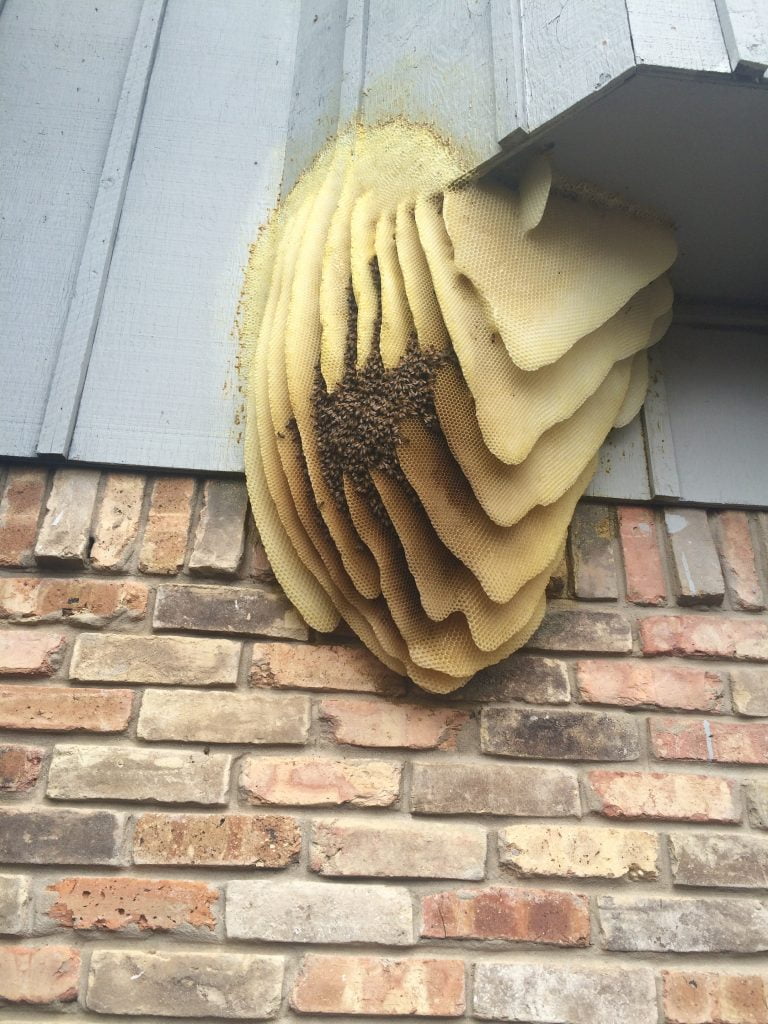
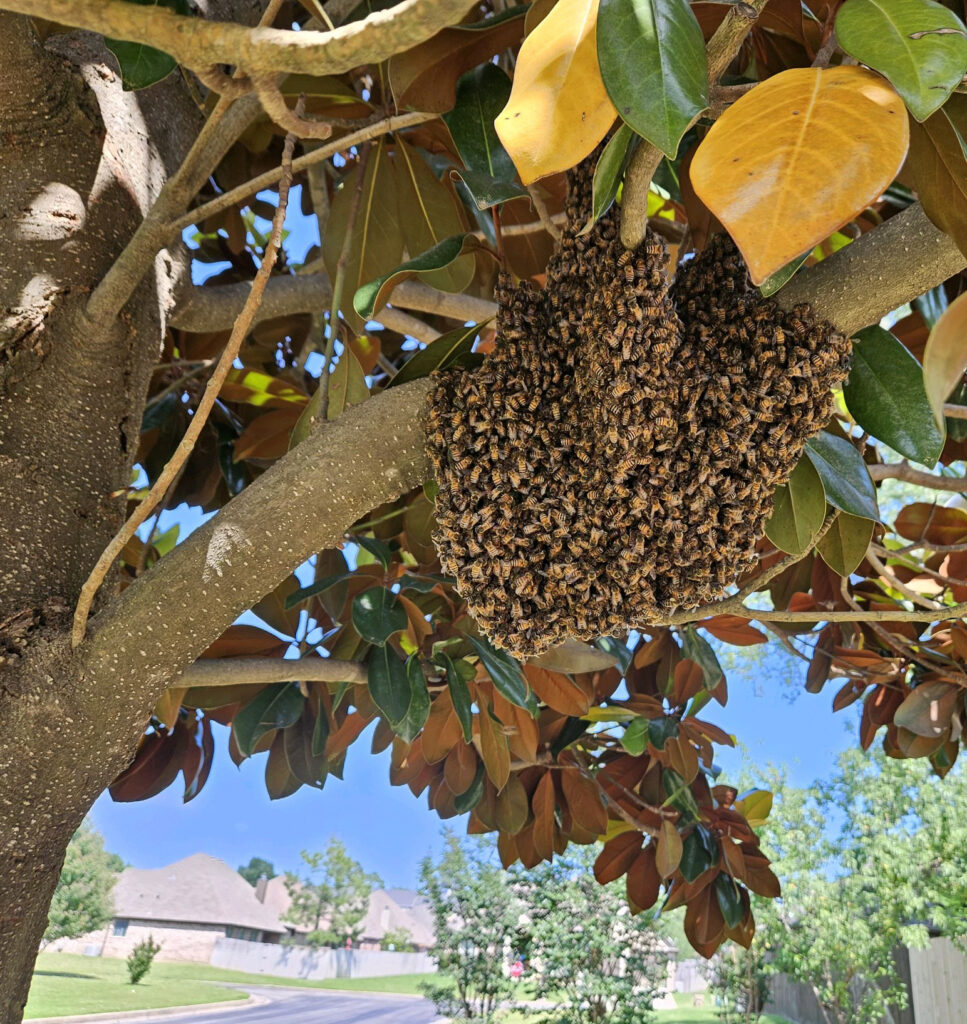
The safest way to avoid a dangerous bee sting situation is to remove hives and swarms from your property before an encounter happens. If you have a bee colony on or near your home, don’t wait.
At Little Giant Beekeepers, we offer live bee removal throughout the Dallas-Fort Worth area — safely relocating bees rather than exterminating them. We back every job with a 5-year warranty, and we’ve been serving North Texas for over 45 years.
📞 Call us today: (214) 227-6796 Or visit littlegiantbeekeepers.com for a free estimate.
Little Giant Beekeepers is not a medical provider. This article is for educational purposes only. Always consult a licensed medical professional for health concerns. In an emergency, call 911.