
Top-Bar Bee Hives: A Gentler, More Accessible Way to Keep Bees in North Texas
If you’ve ever been curious about beekeeping but felt put off by the cost, the heavy lifting, or the intimidating complexity of traditional hive systems, a top-bar hive might be exactly what you’ve been looking for. Top-bar beekeeping is a quieter, more natural approach — one that’s easier on your body, easier on your budget, and easier on the bees.
What Is a Top-Bar Hive?
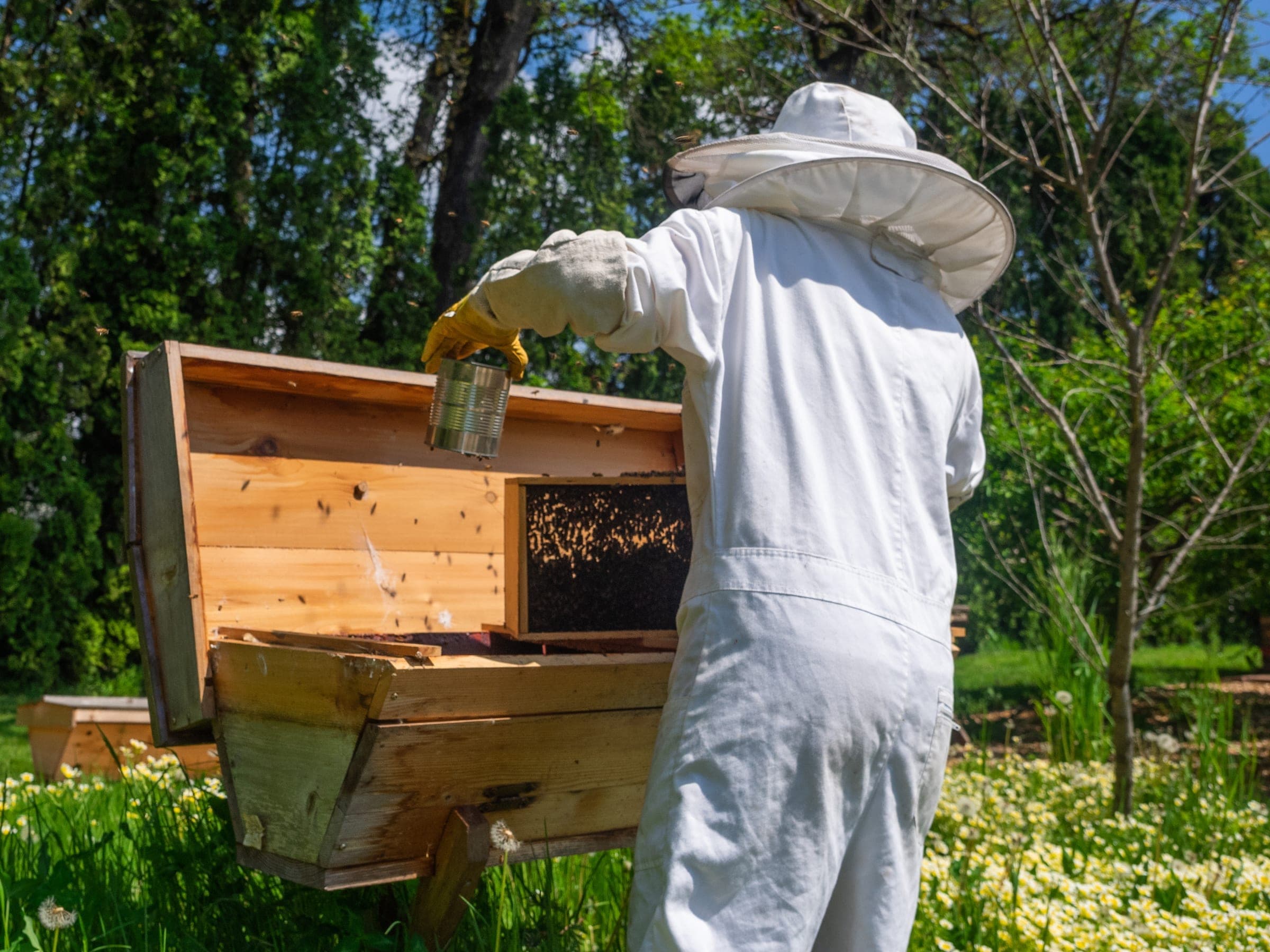
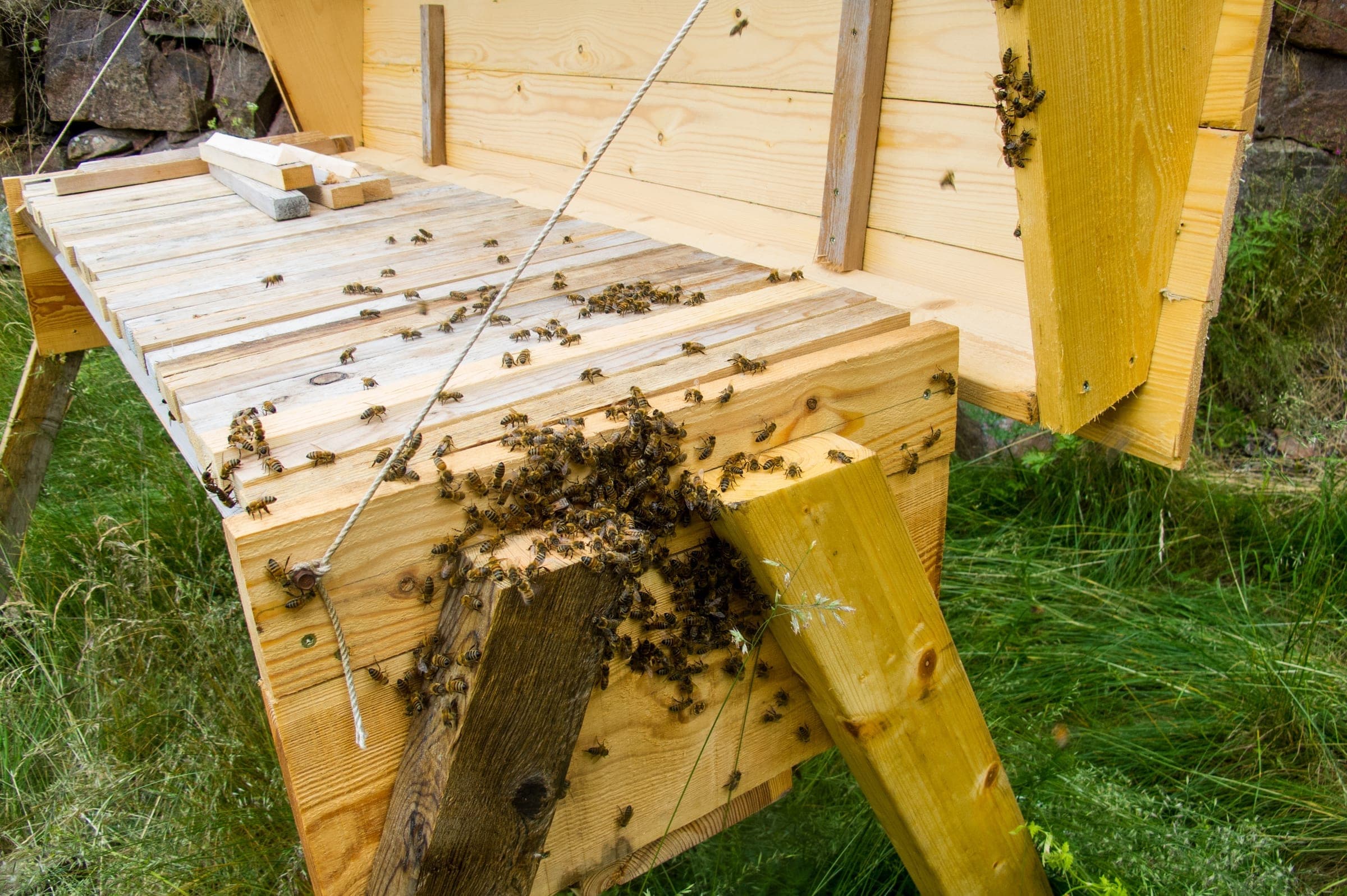
A top-bar hive is a horizontal hive design in which bees build their comb downward from removable bars laid across the top of the hive — rather than within the stacked boxes and frames of a conventional Langstroth system. The design traces its roots back to ancient Greece and has been refined over centuries into what many consider the most bee-friendly hive style available today.
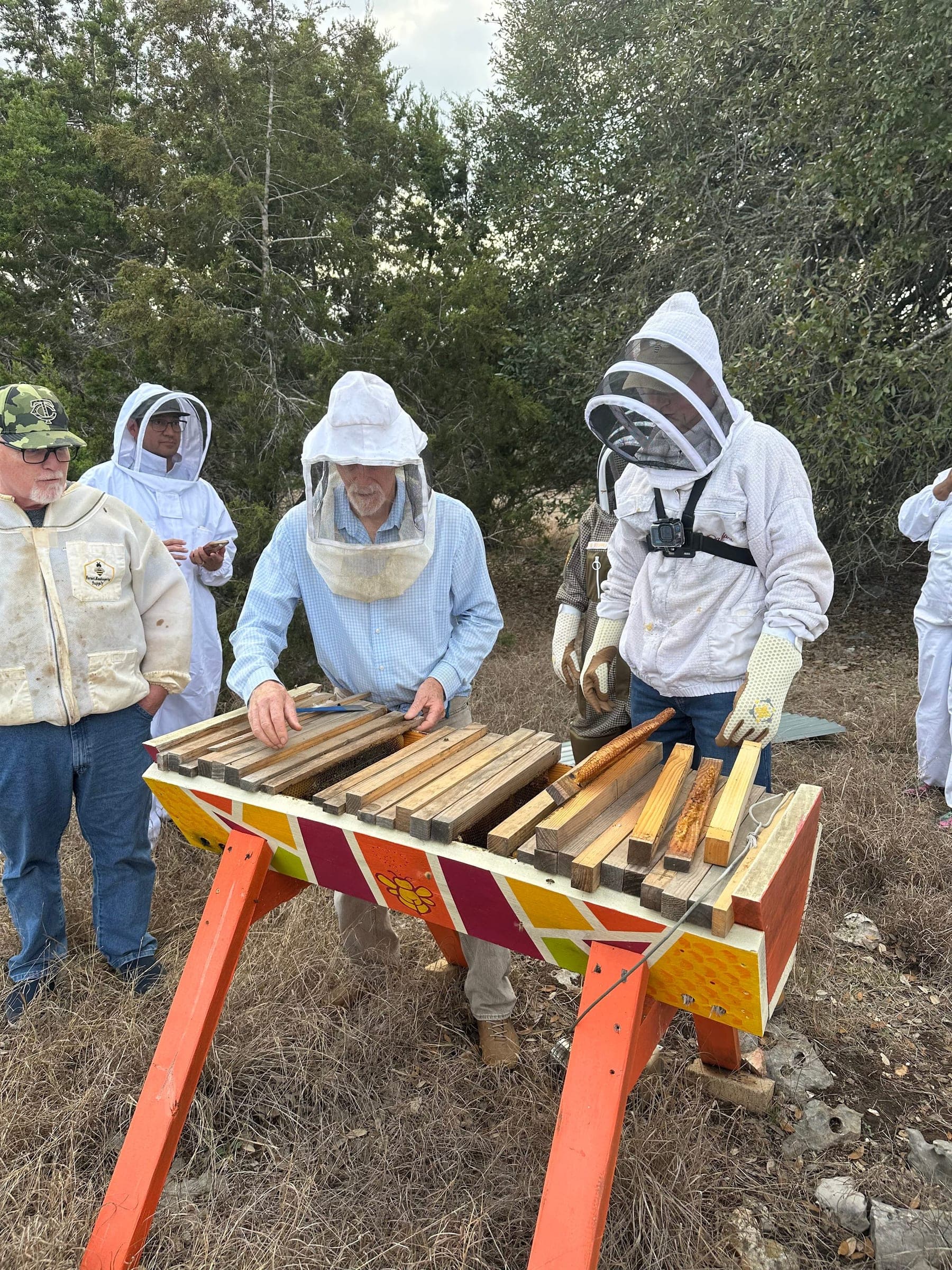
Unlike vertical Langstroth hives, which require lifting heavy boxes and disrupting large sections of the colony during inspections, top-bar hives are worked horizontally, one bar at a time, at waist height. There’s no heavy lifting. There’s no exposing the entire brood nest at once. You simply slide a bar out, inspect it, and move on. The result is calmer bees, a more comfortable beekeeper, and a less stressful experience all around.
Why Top-Bar Hives Are a Great Fit for North Texas Beekeepers
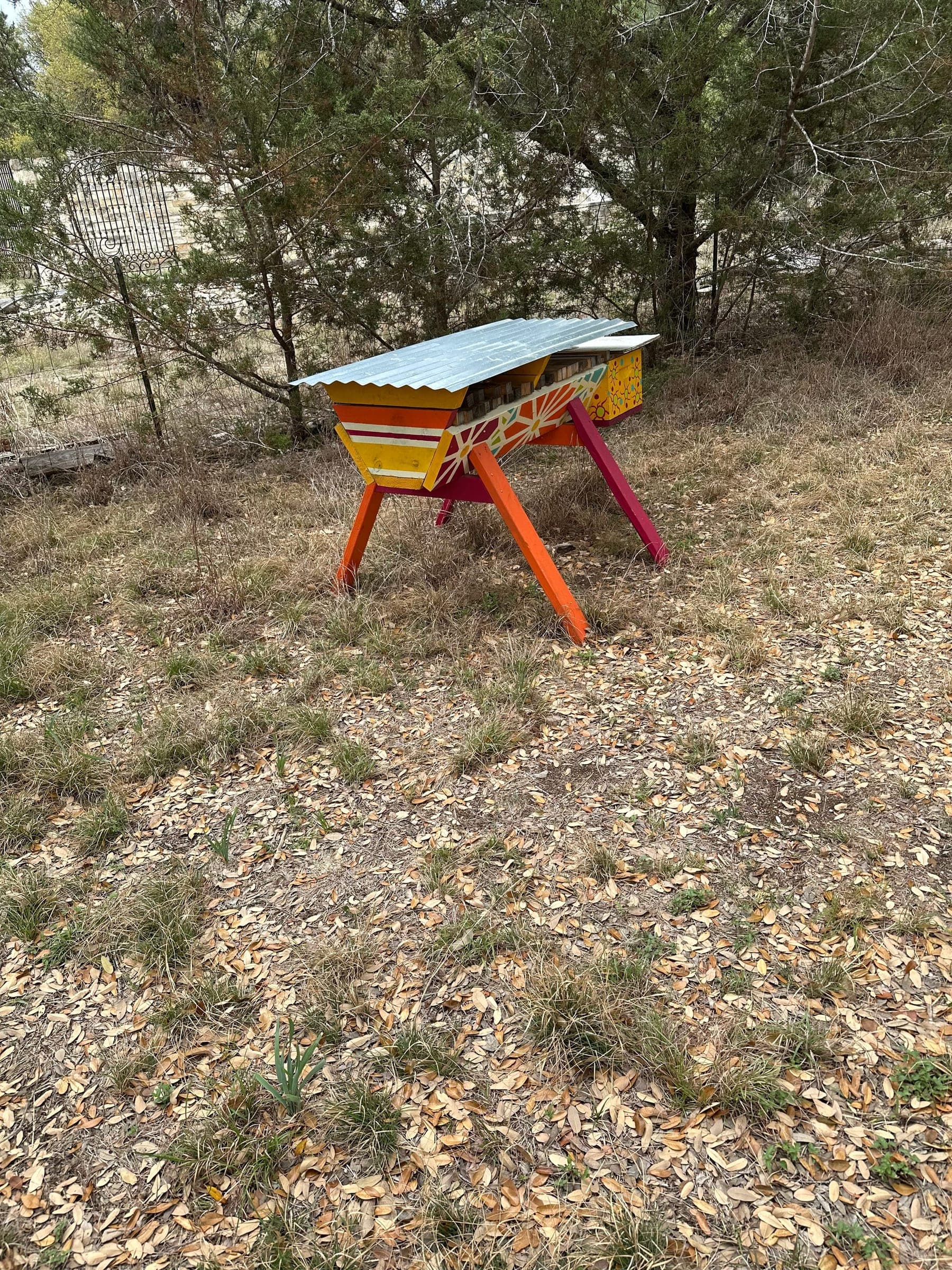
North Texas summers are brutal, and that creates a real problem for traditional beehives. Most conventional hive styles struggle in direct sun and intense heat — but top-bar hives are well suited to shaded spots in your yard, garden, or property where other hive types simply don’t perform well. If you have a shaded area under trees or along a fence line, a top-bar hive can thrive right there.
Top-bar hives are also built with thick walls that insulate against both heat and cold, making them remarkably adaptable across climates — from freezing northern winters to the intense heat of a Texas summer. For North Texas beekeepers dealing with temperature extremes in both directions, that resilience matters.
Top-Bar vs. Langstroth: What’s the Difference?
Most people picture a Langstroth hive when they think of beekeeping — the stacked white boxes you see in farm fields and commercial operations. Langstroth hives are the industry standard for large-scale honey production, but they weren’t necessarily designed with the backyard or hobbyist beekeeper in mind.
Here’s how top-bar hives compare:
Cost: Langstroth hives require frames, foundation, supers, and specialized equipment that adds up quickly. Top-bar hives don’t use frames or foundation at all — bees build 100% natural comb directly on the bars, making them significantly more affordable to set up and maintain.
Physical demand: Working a Langstroth hive means lifting heavy boxes — a full honey super can weigh 60 pounds or more. Top-bar hive inspections are done one bar at a time at waist level, with no heavy lifting required. This makes top-bar beekeeping genuinely manageable for people of all ages and physical abilities, including those who couldn’t comfortably manage a Langstroth hive on their own.
Disruption to the colony: Langstroth inspections typically involve removing and restacking multiple boxes and exposing large portions of the colony at once. Top-bar inspections are minimally invasive — you work one bar at a time, keeping most of the hive undisturbed and the bees noticeably calmer.
Natural comb: Because top-bar hives don’t use pre-formed foundation or plastic inserts, bees are free to build comb naturally, optimizing cell sizes according to their own biological needs. This freedom from chemical-laden or plastic foundation is widely considered beneficial to long-term hive health and resilience.
Pest management: Top-bar hives align closely with Integrated Pest Management (IPM) principles, supporting natural bee behaviors and cultural strategies that reduce the need for chemical treatments — including a stronger natural defense against Varroa mites, one of the leading threats to honey bee colonies.

Top-Bar Hives Are Beekeeping You Can Do Yourself
One of the most common reasons people hesitate to start beekeeping — or give it up after a season or two — is that traditional Langstroth beekeeping simply requires more physical strength and stamina than many people have. Heavy boxes, complex equipment, and stressful inspections take a toll.
Top-bar beekeeping removes most of those barriers. Because inspections happen at waist height, one bar at a time, and require no lifting of boxes or heavy equipment, it’s a style of beekeeping that most people can physically manage on their own. For older beekeepers, those with back or joint issues, or anyone who simply wants a more relaxed and sustainable practice, top-bar hives open the door in a way that Langstroth systems often don’t.
The Bee Mindful Standardized Top-Bar Hive Plans
One of the longstanding challenges with top-bar hives has been a lack of standardized measurements. Because designs varied widely, beekeepers couldn’t easily share comb, equipment, or knowledge across hives — and inconsistent bar and hive dimensions contributed to problems like wax breaking and structural instability.
Our friend and colleague Natalie has solved this problem. Natalie developed the Bee Mindful Standardized Horizontal Top-Bar Hive — a carefully refined design using standardized trapezoid-shaped bar measurements that eliminate the wax-breaking issues common in earlier top-bar designs, simplify the overall build, and create a reliable, consistent standard that beekeepers can build from, share across, and learn from together.
Even better, Natalie has made her complete hive plans available free of charge at her website, Bee Mindful. Her reasoning is straightforward: knowledge that depends on privilege doesn’t travel far. Open designs do. By removing cost and access barriers, she’s making natural, horizontal beekeeping available to anyone willing to build thoughtfully and keep bees with care. The plans are free because the goal was never ownership — it has always been service to the bees and to the broader beekeeping community.
If you’re handy and want to build your own top-bar hive, Natalie’s free standardized plans are the place to start.
Is a Top-Bar Hive Right for You?
A top-bar hive is likely a great fit if you:
- Are new to beekeeping and want a lower-cost, lower-complexity entry point
- Are an experienced beekeeper looking for a more natural, less intensive practice
- Have physical limitations that make lifting heavy Langstroth equipment difficult or impractical
- Have a shaded area on your property where a conventional hive wouldn’t thrive
- Want to reduce your reliance on chemical treatments and support natural bee health
- Keep bees in a backyard, homestead, or small-scale setting where ease of care and connection to the colony matter most
- Are looking for a more sustainable, bee-centered approach to the craft
Top-bar hives are not designed to replace large-scale commercial migratory operations — Langstroth systems remain the standard for high-volume honey production. But for backyard beekeepers, hobbyists, and anyone who wants to keep bees closer to home and heart, top-bar hives offer a better fit.
Frequently Asked Questions: Top-Bar Hives
Are top-bar hives good for beginners? Yes — many beekeeping educators consider top-bar hives ideal for beginners because inspections are simpler, less physically demanding, and less disruptive to the colony. There’s less equipment to learn and manage, and the bees tend to stay calmer during inspections.
Can top-bar hives handle Texas heat? Yes. Top-bar hives are built with thick walls that insulate against both heat and cold, and they perform well in shaded locations where conventional hives often struggle. They are used successfully across a wide range of climates.
How much do top-bar hives cost compared to Langstroth hives? Top-bar hives are significantly less expensive to set up and maintain because they don’t require frames, foundation, or stacking supers. If you’re handy, you can build one yourself using Natalie’s free Bee Mindful standardized plans, bringing the startup cost down even further.
Can I produce honey with a top-bar hive? Yes. Top-bar hives produce honey, though they are not optimized for maximum honey yield the way commercial Langstroth systems are. For backyard and hobbyist beekeepers, they produce plenty.
What is the Bee Mindful top-bar hive plan? The Bee Mindful Standardized Horizontal Top-Bar Hive is a free, open-source hive design developed by Natalie that standardizes the trapezoid bar measurements common to horizontal top-bar hives. The standardized design addresses wax-breaking issues, simplifies the build, and creates a shared platform that beekeepers can exchange comb and knowledge across. Plans are available free at Natalie’s Bee Mindful website.
Where should I place a top-bar hive? Top-bar hives do well in partial to full shade — a significant advantage over most conventional hive types, which prefer more sun exposure. A shaded spot along a fence, under trees, or on the north side of a structure is often ideal, particularly in hot climates like North Texas.
Learn More or Get Started
Interested in top-bar beekeeping? Little Giant Beekeepers offers hives, bees, and beekeeping education — including classes, workshops, and apprenticeships — for aspiring and experienced beekeepers across North Texas. Whether you want to build your own hive from Natalie’s free plans or get set up with everything you need, we’re here to help.
Call us at (972) 980-0923 or contact us online to talk through your options.
Related reading
- Continuing a Legacy: Welcoming Joshua DavisEsther Davis’s son Joshua has joined Little Giant Beekeepers — the third generation of a North Texas family business founded in 1980. Meet him.
- Honoring Veteran and Beekeeper Sandor MarozsanCelebrate National Hire a Veteran Day with us as we honor Sandor Marozsan's contributions to beekeeping and service.
- Got Stung by a Bee? Know These Warning Signs — Your Life May Depend on ItA bee sting can be a life-threatening emergency for some. If you or someone nearby has just been stung, keep reading. This could save a life.
Bees won't wait — and neither should you.
Call now for your bee removal needs and you'll have your price before we pull into your driveway. No bait and switch. No pressure. Just the truth and your call — from a beekeeping family that's been doing this for over 45 years.