
Beekeeping Ag Exemption in Texas
You provide the land. We do the rest.
Own 5 to 20 acres in North Texas? Leased, fully managed hives can qualify your land for 1-d-1 open space valuation.
- BBB Accredited A+
- 5-year warranty on hive removal
- Same-day service most days
If you own between 5 and 20 acres in North Texas, beekeeping is one of the most accessible routes to agricultural valuation — and one of the least used. It can cut a property tax bill substantially, and you never have to touch a beehive.
We place the colonies, manage them all year, keep the records your appraisal district wants, and help you file. You provide the land.
What a beekeeping ag exemption actually is
The thing everyone calls an "ag exemption" isn't an exemption at all. It's 1-d-1 open space agricultural valuation, under Texas Property Tax Code Chapter 23, Subchapter D — your land gets appraised on its agricultural productivity value instead of its market value. On a parcel where those two numbers diverge sharply, so does the tax bill.
Texas law recognises raising honeybees for pollination or for the production of honey and other hive products as a qualifying agricultural use. That's what makes beekeeping so useful for smaller acreage: 5 to 20 acres often won't support cattle or row crops, but it will comfortably support hives.
And here's the detail most landowners miss. Qualification attaches to the land's use, not to the landowner. You are not required to be a beekeeper. Engaging a professional beekeeper to keep and manage colonies on your property satisfies the requirement in full, because what the appraisal district is assessing is how the land is used.
What it can save
Savings turn on your county's productivity values, your local tax rates and your qualifying acreage, so nobody can quote you a figure without looking at your parcel.
For scale: one of our customers in Hays County took an annual property tax bill of nearly $19,000 down to about $300 on a 7-acre lot with a homestead — better than a 98% reduction. Net of our annual lease fee, they were still ahead by more than $18,000 a year.
Your parcel will differ, and it may differ a lot. Savings in the thousands per year are common on qualifying land. Two secondary effects are worth knowing about as well: land already under ag valuation is attractive to buyers and can lift resale value, and after at least one year under 1-d-1 open space your land becomes eligible to convert to wildlife management valuation regardless of acreage.
Do you qualify?
Broadly, your property needs to meet three tests:
- Acreage — in Texas, with between 5 and 20 acres of qualifying land.
- Use — used principally for agriculture, here beekeeping, for at least 5 of the previous 7 years.
- Intensity — managed to the degree of intensity your county considers normal for the use.
In practice most North Texas counties want a minimum of six hives for the first 5 acres, plus additional hives per additional qualifying acre up to 20. Properties with a homestead on them typically need 6 or more acres before they qualify, because the homestead acreage comes out first.
Every Central Appraisal District sets its own standard, and they are not identical. We'll confirm exactly what your county requires during a free consultation rather than guessing from a table.
Already have ag valuation for cattle, hay or another use? You may be able to switch to beekeeping and keep your existing valuation, because your land already satisfies the 5-of-7-years history. You can wind down the previous activity and hand the qualifying use to us without losing status.
Buying land that already carries ag valuation? A new owner can generally benefit from the qualifying activity the previous owner performed and may be able to carry the valuation forward. Talk to us before you close, not after — the options are much better on that side of the transaction.
Why the five-year clock means starting now
Land has to show at least 5 consecutive years of qualifying agricultural activity, with the reduced appraisal taking effect in year six. There is no way to shorten that, which makes the start date the only variable you control.
Most landowners who delay do it for one of two reasons: they assume beekeeping is complicated, or they assume they'd have to do it themselves. Neither is true, and both cost the same thing — every month of hesitation is a month added to the far end of the timeline. We hold active hive inventory ready to place on qualifying properties now.
Our turn-key hive lease service
One annual fee, and the qualifying activity is handled:
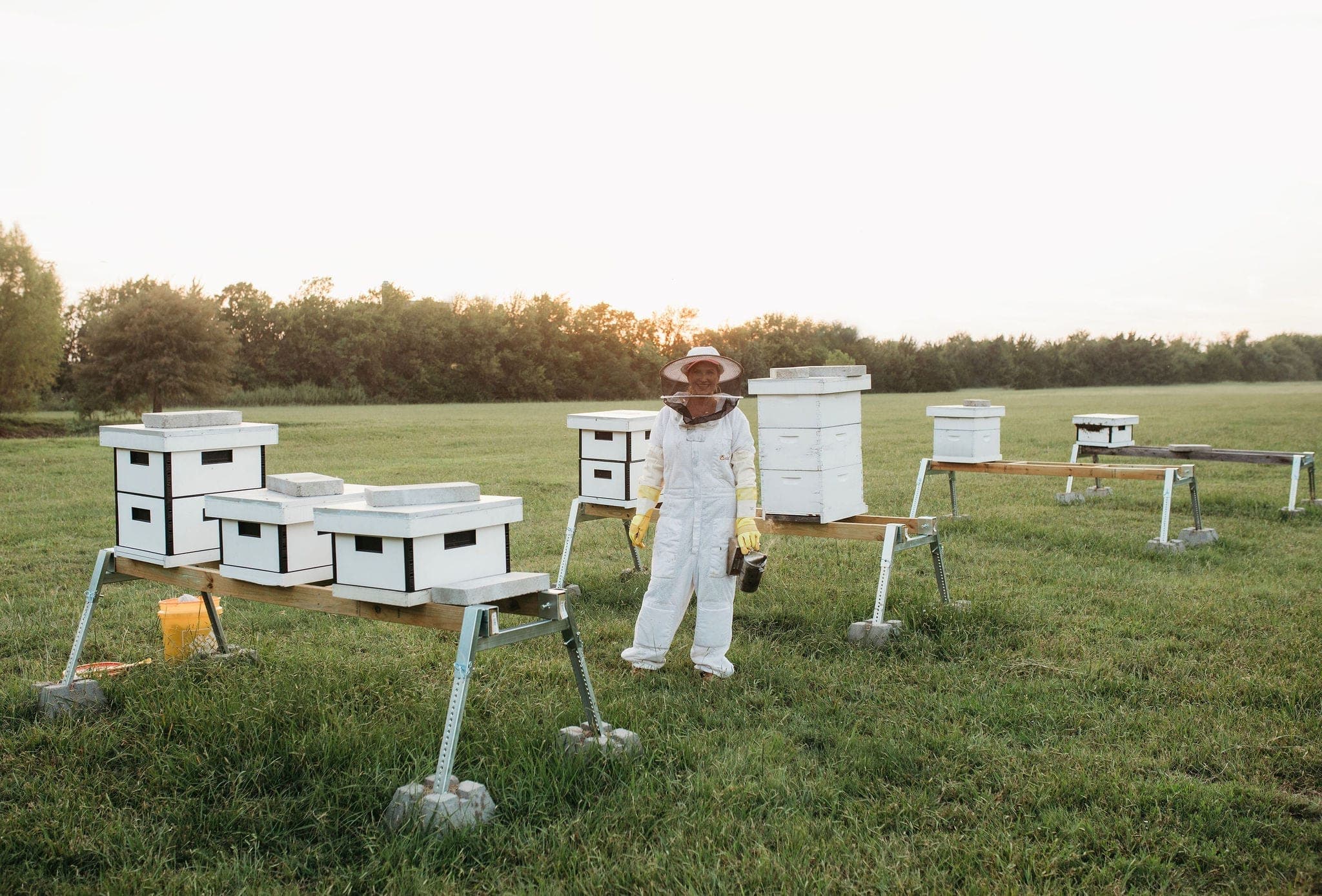
- Supply and place the required number of active, healthy colonies on your property
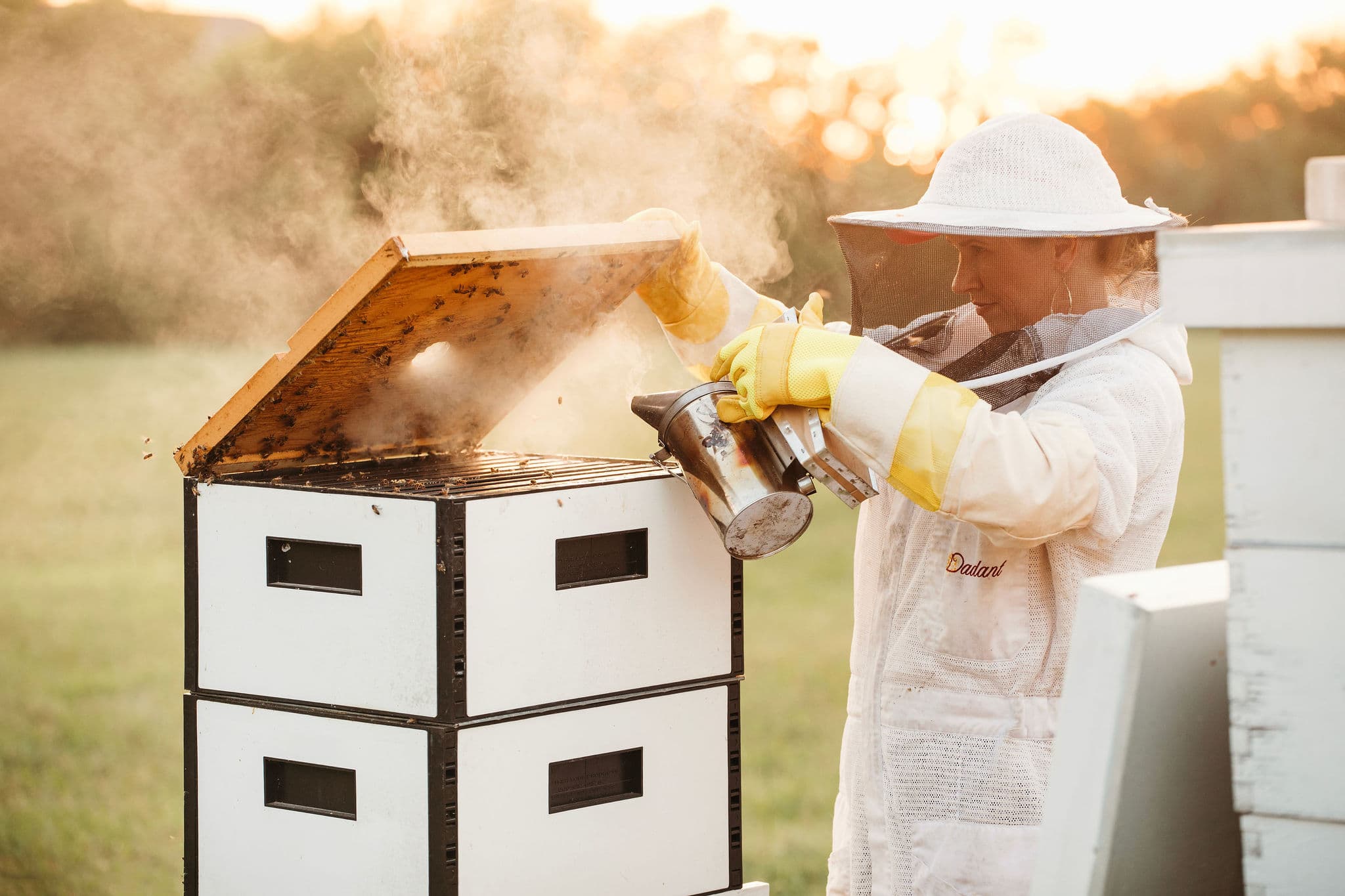
- All beekeeping management, inspections and seasonal maintenance
- Replace any lost colonies at no extra cost, so your hive count never falls below the requirement
- Maintain the complete, accurate records your Central Appraisal District expects
- Help you prepare and file your application
You provide the land and the access. We do the rest, including turning up in August.
Why landowners choose us
Three credentials are worth checking on any company offering this, and we'd suggest you check them on us too: that they're fully insured, that they're currently registered with the Texas Apiary Inspection Service, and that the work is done by Certified Master Beekeepers. We meet all three.
Beyond that: 45 years working with North Texas landowners, direct familiarity with how individual appraisal districts across the region actually handle beekeeping applications, and a family-owned operation rather than a franchise. We didn't arrive with this trend and we won't leave with it.
Service area
Our hive lease service covers roughly 40 to 50 miles from our Rockwall field office, taking in Rockwall, Kaufman, Hunt, Van Zandt, Collin, Dallas, Rains, Hopkins, Henderson, Tarrant, Denton and Ellis counties.
Not sure whether your property falls inside that? Call and we'll tell you in a minute rather than sending someone out to find out.
Beekeeping ag exemption questions
How long does it take to qualify?
Do I have to do any beekeeping myself?
How many hives do I need?
How much does the lease service cost?
Can I lose the valuation if the bees die?
Will the hives be a nuisance, or a risk to livestock?
Does an ag valuation affect my homestead exemption?
Where we handle beekeeping ag exemption
Besides beekeeping ag exemption, we also handle
Bees won't wait — and neither should you.
Call now for your bee removal needs and you'll have your price before we pull into your driveway. No bait and switch. No pressure. Just the truth and your call — from a beekeeping family that's been doing this for over 45 years.